
Let's Keep in touch!
Join our newsletter to get more content like this via email!
Subscribe my Newsletter for new blog posts, tips & new photos. Let's stay updated!
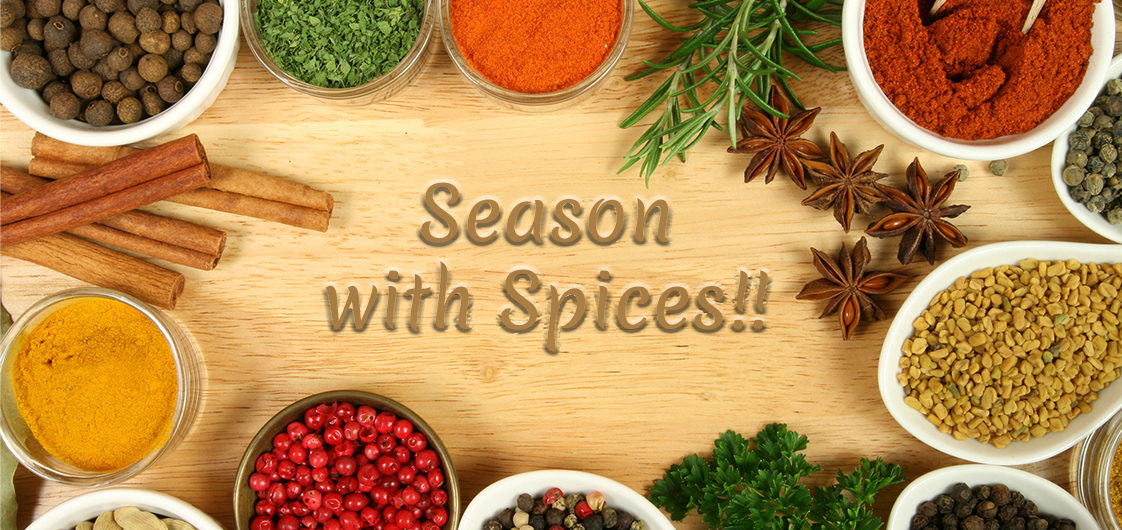
“Vegetables, herbs, and spices. If you can combine those ingredients, that would be the best dish you’d ever cook!” ~ Rinrin Marinka.
Spice is “a seed, fruit, root, bark, or other plant substance primarily used for flavoring, coloring, or preserving food.”
Spices are distinguished from herbs, the leaves, flowers, or stems of plants used for flavoring or as a garnish. According to ancient medicine, spices have antioxidant, anti-inflammatory, antibacterial, and antiviral properties.
Spices are used in medicine as well as in cooking. They are known to have several properties that are beneficial to human health.
Around 9000 BC, settlements in the Indus Valley and Mesopotamia from Judea to Egypt’s Nile Valley began using spices in food, medicine, and cosmetics. Organic herbs & spices were initially used as food preservatives by humans. They soon discovered that many of these plants aided in the treatment of wounds, aches, and other common ailments.
According to 2015 data, 5-10% of adults in the United States use botanical supplements for health benefits, such as spices.
“Spices and herbs can help flavor foods while reducing added sugars, saturated fat, and sodium, and they can also `add to the enjoyment of nutrient-dense foods, dishes, and meals that reflect specific cultures,” according to the 2020-2025 US Dietary Guidelines for Americans.
So, here’s a list of reasons why we use spices in our cooking:
This ancient spice is a potent antioxidant and has a long history of medical use. The distinctive therapeutic properties of cinnamon are attributed to the bark’s potent essential oils.
Researchers have noted for 30 years the frequency of chronic disease among individuals who consumed turmeric more than those who didn’t. They have also noted that curry powder contains a significant amount of turmeric, an essential ingredient in Asian cuisine.
Ginger is a popular flavoring in cakes, cookies, bread, and beverages. It’s also tasty in sauces and fruit dishes and popular in Asian cuisine.
Coriander, also known as Chinese parsley, is derived from the coriander plant’s sweet, nutty seeds (not to be confused with cilantro, an herb that comes from the strongly scented leaves of the coriander plant).
Nutmeg is an evergreen tropical tree native to eastern Indonesia’s Molucca or Spice Islands. “Nutmeg” means “musky” and refers to a fragrance. Nutmeg is high in aromatic oils, minerals (copper, potassium, calcium, manganese, iron, zinc, magnesium), B-group vitamins, and flavonoids, which are potent antioxidants.
Spices are an essential part of our daily diet and have a long history. It’s easier to envision a single meal with spice in it. They have been used for thousands of years for flavor enhancement, health benefits, and food preservation.
Spices, in a nutshell, are the essence of life, balancing flavors from everyday ingredients and elevating them to an entirely new flavor profile while serving our dietary needs and promoting wellness.
 Lifestyle
 Lifestyle
 Lifestyle
 Lifestyle
 Lifestyle





Write a Reply or Comment